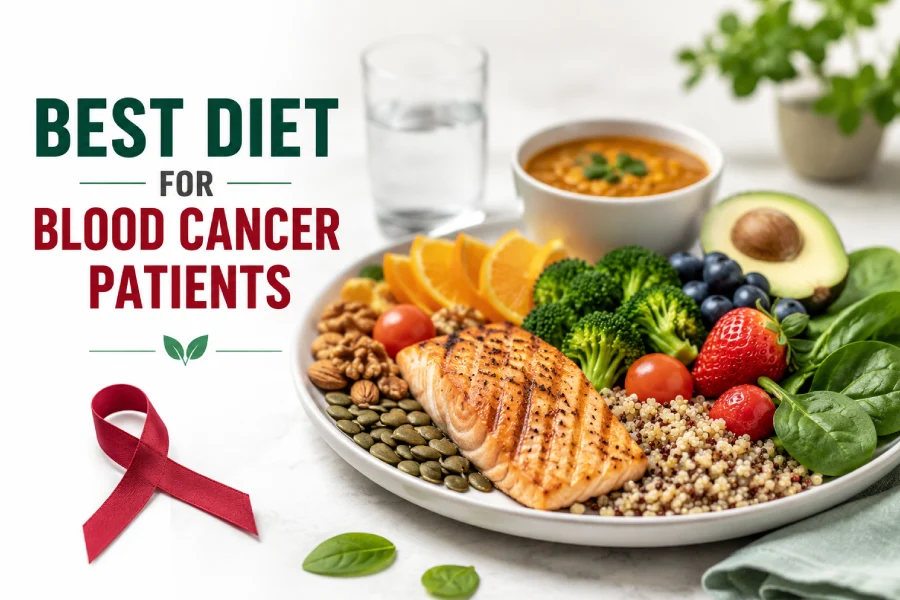
A healthy diet plays a vital role in supporting people diagnosed with blood cancer. While food cannot cure blood cancer, the right nutrition can help maintain strength, support the immune system, reduce treatment-related side effects, and improve overall quality of life.
Whether you are undergoing chemotherapy, targeted therapy, immunotherapy, or recovering after a stem cell transplant, following a balanced and personalised nutrition plan can make a significant difference in your recovery journey.
Protein helps repair tissues, supports immune function, maintains muscle mass, and promotes healing during blood cancer treatment.
Whole grains provide sustained energy, dietary fibre, and essential nutrients that support digestion and overall health.
Fruits provide vitamins, antioxidants, fibre, and natural hydration to support immunity and overall wellbeing.
Vegetables are rich in vitamins, minerals, fibre, and antioxidants that support recovery and overall nutrition.
Healthy fats provide energy, support heart health, reduce inflammation, and help absorb essential vitamins.
Dairy and fortified alternatives provide calcium, vitamin D, and protein to support bone and muscle health.
Staying hydrated helps prevent dehydration, supports kidney function, and promotes recovery during treatment.
Aim for adequate fluid intake throughout the day unless your healthcare team advises otherwise.
| Day | Breakfast | Mid-Morning Snack | Lunch | Evening Snack | Dinner |
|---|---|---|---|---|---|
| Day 1 | Oatmeal with low-fat milk, banana, and almonds | Greek yogurt with berries | Grilled chicken, brown rice, steamed broccoli, and carrot salad | Apple slices with peanut butter | Baked fish, mashed sweet potato, and green beans |
| Day 2 | Vegetable omelette with whole wheat toast | Papaya and a handful of walnuts | Lentil curry, brown rice, mixed vegetables, and cucumber | Roasted chickpeas | Grilled tofu with quinoa and sautéed spinach |
| Day 3 | Whole-grain cereal with milk and sliced strawberries | Cottage cheese with pear | Turkey or paneer wrap with vegetable soup | Banana smoothie | Baked salmon, quinoa, and roasted vegetables |
| Day 4 | Vegetable poha with boiled egg | Orange and mixed nuts | Chickpea curry, whole wheat roti, and cooked spinach | Yogurt with flaxseeds | Grilled chicken breast with brown rice and steamed cauliflower |
| Day 5 | Whole wheat pancakes topped with fresh fruit | Apple and a handful of almonds | Fish curry (or tofu), quinoa, and mixed vegetables | Homemade fruit smoothie | Lentil soup with whole wheat bread and sautéed vegetables |
| Day 6 | Greek yogurt with oats, chia seeds, and blueberries | Boiled eggs or roasted soybeans | Grilled paneer, brown rice, broccoli, and carrots | Whole-grain crackers with hummus | Baked chicken with sweet potato and green peas |
| Day 7 | Vegetable upma with yogurt | Kiwi and pumpkin seeds | Rajma (kidney bean curry), brown rice, and mixed vegetable salad | Cottage cheese with fresh fruit | Grilled fish or tofu with whole wheat pasta and steamed vegetables |
People with leukemia often undergo intensive treatments such as chemotherapy, targeted therapy, or stem cell transplantation, which can affect appetite, digestion, and immunity. A balanced, protein-rich diet can help support recovery and maintain strength.
Lymphoma treatments may increase the body’s energy needs while affecting appetite and immune function. A nutrient-dense diet can help maintain body weight, support healing, and reduce treatment-related fatigue.
Multiple myeloma can affect bone health and, in some cases, kidney function. Nutrition should focus on maintaining strong bones, preserving muscle mass, and supporting overall wellbeing during treatment.
Chemotherapy can cause a variety of side effects that make eating difficult. Choosing the right foods based on your symptoms can help improve comfort, maintain adequate nutrition, and support your body’s recovery. The following table provides practical dietary suggestions to help manage common chemotherapy-related side effects.
| Common Symptom | Best Foods to Eat | Why These Foods Help |
|---|---|---|
| Fatigue | Eggs, fish, chicken, beans, lentils, oats, quinoa, Greek yogurt | Provide high-quality protein, iron, and complex carbohydrates to support energy levels and muscle maintenance. |
| Nausea | Ginger tea (if approved), plain crackers, bananas, toast, rice, applesauce, boiled potatoes | Mild, low-fat foods are easier to digest, while ginger may help reduce feelings of nausea in some people. |
| Loss of Appetite | Protein smoothies, yogurt, peanut butter, avocado, cheese, nuts, nutrient-rich soups | High-calorie, protein-rich foods help increase nutrient intake even when eating smaller portions. |
| Mouth Sores (Oral Mucositis) | Yogurt, mashed potatoes, oatmeal, smoothies, scrambled eggs, soft pasta, soups | Soft, moist foods are easier to swallow and less likely to irritate sore tissues in the mouth. |
| Dry Mouth | Smoothies, watermelon, melon, cucumber, broth, yogurt, sugar-free ice pops | Moist foods and hydrating beverages help relieve dryness and make swallowing more comfortable. |
| Taste Changes | Citrus fruits (if tolerated), fresh herbs, lemon-infused water, mild marinades, mint | Natural flavours and herbs may improve the taste of food without adding excessive salt or sugar. |
| Constipation | Oats, pears, prunes, apples with skin, spinach, beans, whole grains, plenty of water | Fibre-rich foods and adequate hydration help promote regular bowel movements. |
| Diarrhoea | White rice, bananas, applesauce, toast, boiled potatoes, plain pasta, yogurt (if tolerated) | Bland, low-fibre foods are gentle on the digestive system and may help firm stools. |
| Difficulty Swallowing | Pureed soups, mashed vegetables, smoothies, pudding, yogurt, soft scrambled eggs | Soft-textured foods reduce discomfort and are easier to swallow. |
| Low White Blood Cell Count (Neutropenia) | F words: Freshly cooked lean meats, cooked vegetables, pasteurised dairy products, well-cooked grains | Properly cooked foods help reduce the risk of foodborne infections when immunity is weakened. |
| Anaemia (Low Red Blood Cells) | Lean meat, spinach, lentils, beans, fortified cereals, pumpkin seeds, eggs | Iron, vitamin B12, and folate-rich foods support healthy red blood cell production. |
| Weight Loss | Avocados, nut butters, olive oil, full-fat yogurt, cheese, trail mix, protein shakes | Nutrient-dense, calorie-rich foods help maintain body weight and prevent muscle loss during treatment. |
During blood cancer treatment, the immune system may become weakened, making it harder for the body to fight infections. Certain foods can increase the risk of foodborne illnesses or worsen treatment-related side effects. Limiting or avoiding these foods can help protect your health and support recovery.
A balanced diet rich in essential vitamins and minerals can help support the body during blood cancer treatment. While these nutrients cannot treat or cure blood cancer, they play an important role in maintaining healthy blood cells, supporting immunity, preserving bone and muscle health, and aiding recovery.
| Nutrient | Why It Matters | Best Food Sources | Benefits During Treatment |
|---|---|---|---|
| Iron | Essential for the production of healthy red blood cells and oxygen transport throughout the body. | Lean meat, lentils, spinach, beans, tofu, pumpkin seeds, fortified cereals | May help reduce fatigue associated with iron deficiency and support healthy blood cell production. |
| Vitamin B12 | Supports the formation of red blood cells and helps maintain healthy nerve function. | Eggs, milk, yogurt, cheese, fish, poultry, fortified cereals | Helps maintain energy levels and supports healthy blood and nerve cells. |
| Folate (Vitamin B9) | Plays a key role in DNA synthesis, cell growth, and the production of new blood cells. | Lentils, beans, spinach, asparagus, broccoli, leafy green vegetables | Supports healthy cell growth and tissue repair during recovery. |
| Vitamin D | Helps the body absorb calcium and supports bone, muscle, and immune health. | Fatty fish, egg yolks, fortified milk, fortified plant-based beverages | Helps maintain strong bones, especially during long-term treatment or steroid therapy. |
| Calcium | Essential for maintaining healthy bones, teeth, muscles, and nerve function. | Milk, yogurt, cheese, tofu, fortified plant-based milk, leafy greens | Supports bone strength and may help reduce the risk of bone loss. |
| Zinc | Important for normal immune function, wound healing, and cell repair. | Pumpkin seeds, seafood, lean meat, beans, chickpeas, nuts | Supports healing and helps maintain a healthy immune system. |
| Magnesium | Supports muscle contraction, nerve function, and energy production. | Almonds, cashews, whole grains, spinach, beans, bananas | Helps maintain muscle function and supports overall metabolic health. |
| Vitamin C | Acts as an antioxidant and helps improve iron absorption while supporting immune function. | Oranges, kiwi, strawberries, guava, bell peppers, broccoli | Supports tissue repair, immune health, and enhances iron absorption from plant-based foods. |
| Protein | Required for tissue repair, muscle maintenance, and the production of enzymes and immune cells. | Eggs, fish, chicken, lentils, beans, tofu, dairy products | Promotes healing, preserves muscle mass, and supports recovery during treatment. |
Medical Disclaimer
This article is for educational purposes only and should not replace professional medical advice. Every blood cancer patient has unique nutritional needs. Always consult your oncologist or a registered dietitian before making significant dietary changes or taking supplements.